

People often come to Haida Gwaii for fishing. What tends to surprise first-time guests at West Coast Fishing Club is how much of the experience happens off the water. Wildlife is not something you go looking for here. It simply becomes part of your day.
From bears roaming the shoreline to eagles overhead and deer quietly wandering through the lodge grounds, Haida Gwaii offers a kind of closeness to nature that feels increasingly rare.
This archipelago is shaped by isolation. Cut off from the mainland for thousands of years, its ecosystems have evolved with minimal human interference. The result is a place where animals move freely, and often surprisingly close.
In this blog, we explore the wildlife you are most likely to encounter on your visit to Haida Gwaii, why it thrives here, and how these moments become a defining part of the West Coast Fishing Club experience.
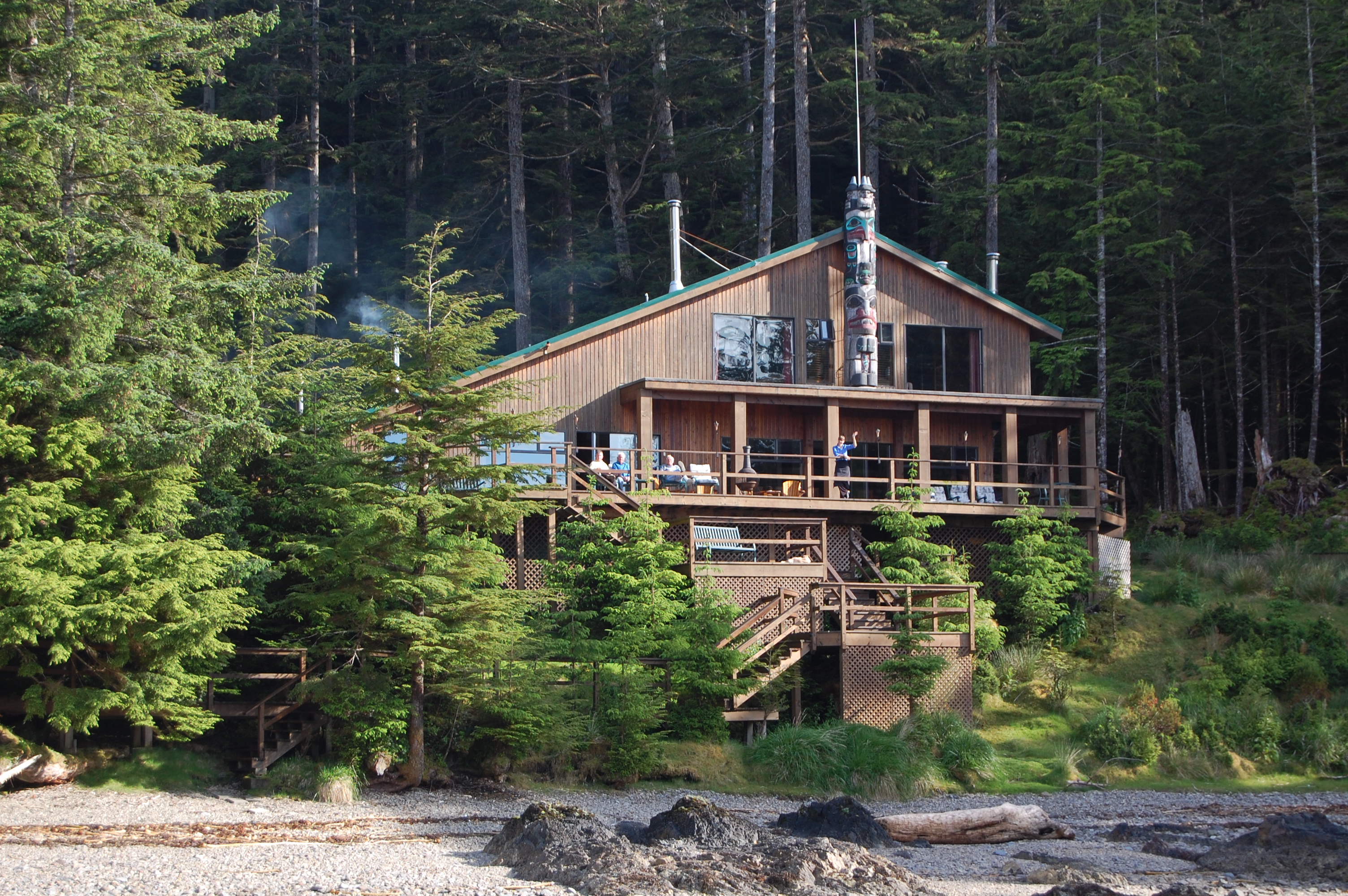
The lodge itself is within a living ecosystem. The wildlife moves freely through the surrounding area and often right through the lodge grounds.
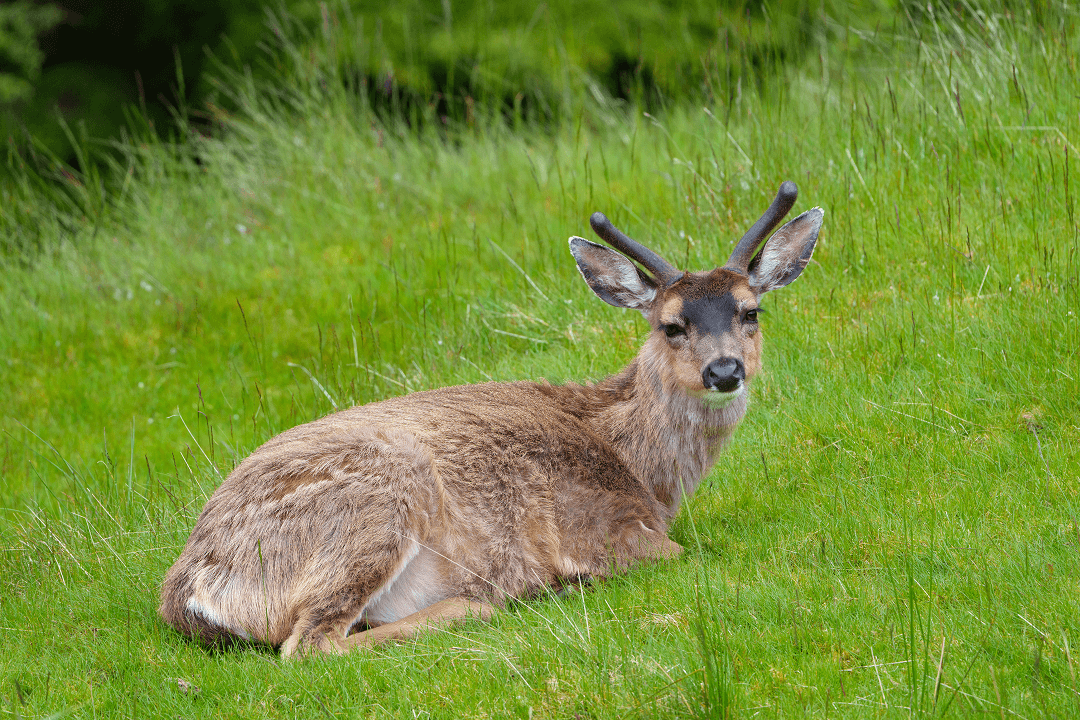
Guests regularly see deer walking between cabin grounds, grazing nearby, or resting off the path. Eagles perch in nearby trees or pass overhead throughout the day. Birds move constantly through the surrounding forest, especially in the morning.
Whether you are heading out early in the morning or returning later in the evening, these sightings become part of the day.
Black bears are one of the more memorable animals guests encounter in Haida Gwaii, particularly along the shoreline. Unlike bears that stay deeper in the forest, many here spend time near the water, walking the beaches and foraging when the tide is out.
From the lodge or while out on the boat, it is not unusual to see a bear moving slowly along the rocks. They tend to move slower, rather than the urgency you may see that bears have in other places.
Bald eagles are one of the most visible birds in Haida Gwaii. They are present throughout the day, flying over the water, or circling above the shoreline.
Clean waters and abundant food sources support a strong eagle population, and it shows. Guests may see multiple eagles within a short period of time, often without realizing how rare that would be in other places.
Because Haida Gwaii has no natural predators for deer, they behave differently than many people expect.
They move calmly through the area and are comfortable sharing space with people. Guests often see them near the lodge, or grazing close to the common areas. This behavior is the result of generations without predation pressure. The deer are not dependent on people, but they are not fearful either. They simply exist within the same environment.
Beyond eagles, Haida Gwaii supports a wide range of birdlife that fills the forests and shoreline with sound and movement. Songbirds are active early in the day while seabirds roam the coast and open water.
Walking through the lodge grounds you hear birds moving through the trees and calling from deeper in the forest. Along the shoreline, birds follow the tides, feeding and moving with the changing conditions.
Birdlife adds texture to the experience and reinforces how healthy the ecosystem is.
Whales are an important part of Haida Gwaii’s marine environment. The waters around the islands are rich feeding grounds, and multiple whale species travel through the area over the course of the year.
From the boat, guests may see whales surfacing offshore, their blows visible from a distance before the animal itself appears. At times, they move slowly through the area, feeding and traveling along the coast. Other times, sightings are brief but unmistakable.
Several factors contribute to the abundance of wildlife in Haida Gwaii. The islands are geographically isolated, which has limited large-scale development. Forests remain extensive and old. Shorelines are productive and relatively untouched.
Marine waters are cold, nutrient rich, and well protected by the surrounding land. Together, these conditions support a wide range of species across land and sea.
The absence of certain predators has also shaped animal behavior, particularly among deer. Without constant threat, animals move calmly and predictably, conserving energy and maintaining stable populations.
At West Coast Fishing Club, wildlife is treated as part of the environment rather than something to manage or control. The lodge is designed to fit into the landscape, and guests are encouraged to be aware of their surroundings.
Spending time in Haida Gwaii means sharing space with animals that rely on this place as much as people do. Over the course of your stay, these daily sightings become familiar and meaningful.
The prime season typically runs from late spring through early fall. Summer months are especially popular due to longer daylight hours, stable weather, and strong fishing conditions. Availability can fill up quickly, so booking early is recommended, especially for peak summer dates. Read more about what each month has to offer here!
Whales can be seen at various points throughout the season, but sightings are more common during the warmer months, when feeding activity increases.
Layer clothing is recommended, as weather can change throughout the day. Waterproof outerwear is essential. Comfortable footwear for walking around the lodge and shoreline is also helpful. Cameras and binoculars are popular additions for guests interested in wildlife viewing. Find more recommendations on what to pack here.
Yes, West Coast Fishing Club welcomes guests of all experience levels. Guides are experienced and adaptable, making the experience enjoyable whether you are new to fishing or have been doing it for years.



Leave a Comment
Your email address will not be published. Your comment will be displayed once it is approved by the site admin.
Your email address will not be published.
Your comment will be displayed once it is approved by the site admin.