

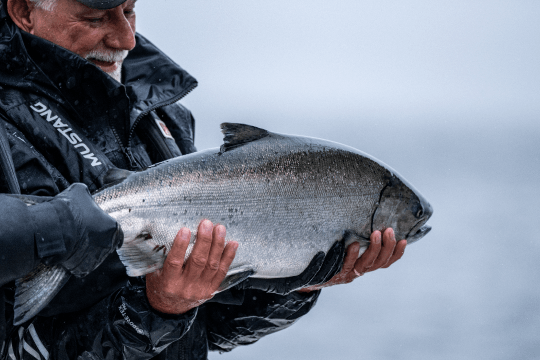
British Columbia is home to some of the most diverse and productive salmon fisheries in the world. While most of our experiences at The West Coast Fishing Club are fully guided and tailored to real-time conditions, understanding the differences between key species—and how seasonal patterns influence their behaviour—can add an extra layer of appreciation to your time on the water.
While there are five Pacific salmon species in BC, most coastal fishing experiences focus on two: Chinook salmon and Coho salmon. Each species behaves differently and peaks at different times of the year, naturally shaping the rhythm of the season.
Chinook salmon, commonly referred to as “King” salmon, are the largest of the Pacific species and are highly sought after for both their size and strength.
Chinook salmon tend to prefer deeper water compared to other species. They feed on baitfish such as herring and anchovies and are often found along offshore structures and feeding zones.
Because they hold deeper in the water column, locating them is less visual and more technical—something your guide team manages seamlessly throughout the day using various instruments and instinct.
Chinook fishing typically peaks from May through mid-summer. Early-season fish are often feeding aggressively in open water, offering the chance at larger catches, while later in the season they begin transitioning toward river systems.
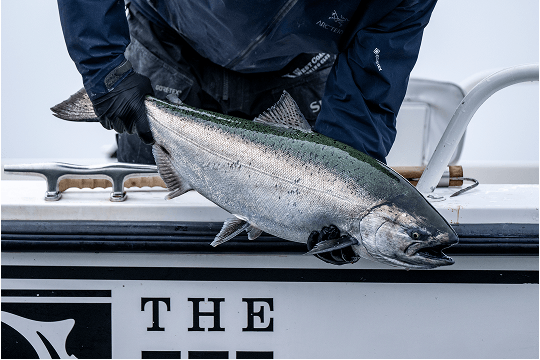
Coho salmon, also known as “Silver” salmon, offer a different fishing experience characterized by speed, aggressiveness, and more surface activity.
Coho are more commonly found in the upper water column and tend to react quickly to movement, often striking with speed and intensity. They frequently travel in schools, which can lead to periods of high activity when multiple fish are present.
Coho begin arriving in early summer and typically at their greater numbers in mid-summer and peak from late summer into early fall. During this time, they are actively feeding and typically provide consistent action on the water.
One of the most important factors in salmon fishing is timing. Seasonal changes influence not only the species but how they behave and where they are located. At the West Coast Fishing Club, we time our season to align with peak fishing conditions, so every part of your experience feels worthwhile.
Read more about what each month has to offer here!
Location plays a significant role in fishing success. Remote regions like Haida Gwaii sit along major salmon migration routes, meaning fish are consistently moving through the area rather than appearing intermittently.
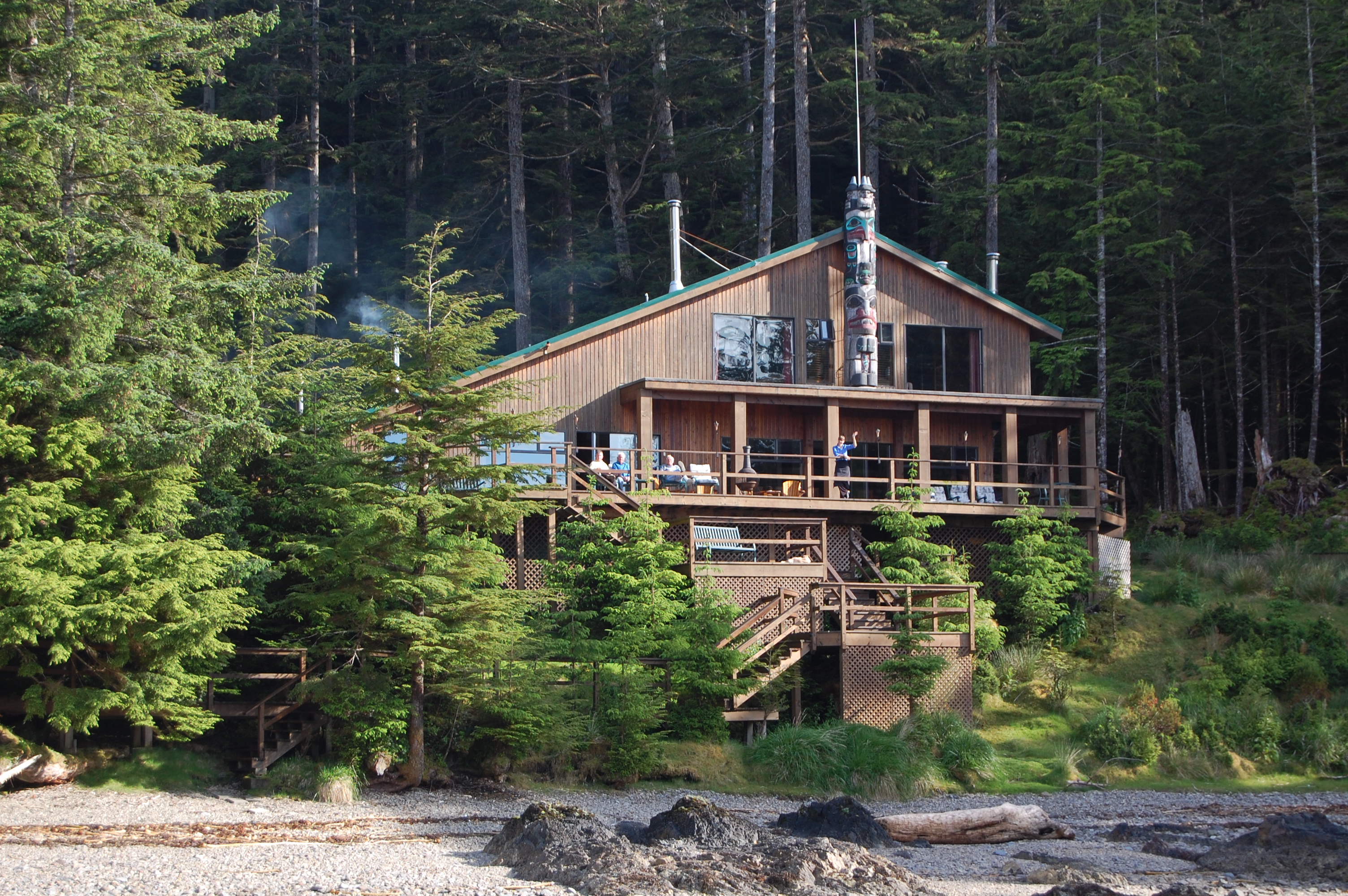
At West Coast Fishing Club, this is complemented by experienced guides, access to productive fishing grounds, and top-of-the-line equipment—all working together to create a seamless experience on the water.
Whether you’re interested in the finer details or simply looking to enjoy time on the water, these seasonal patterns offer helpful context to what you’ll experience throughout your trip.
Ready for an adventure of a lifetime? Contact us today to secure your spot!
Chinook salmon are larger and typically found deeper in the water, requiring more precise techniques. Coho salmon are smaller but more aggressive and are often found near the surface.
The best time depends on the species and the patterns of the run, which vary every year. Chinook typically peaks from May to August, while Coho peaks from July to September. Our season from June to mid-September offers an opportunity to target both.
Yes. At West Coast Fishing Club, we provide instruction, equipment, and support throughout the experience. We also offer self-guided fishing for more experienced anglers.
No experience is required. Guides provide hands-on instruction throughout the trip, from setting up gear to landing your first fish. Whether it’s your first time or you’ve fished for years, the experience is tailored to your comfort level.
While Chinook and Coho are the primary focus, you may also encounter other species such as halibut or lingcod, adding variety to your fishing experience.
A stay at West Coast Fishing Club includes guided fishing, equipment, fresh meals, and luxury accommodation.
Most technical gear is provided, but you should bring weather-appropriate clothing, including waterproof layers, as well as personal items. Coastal conditions can change quickly, so layering is important.
Retention is determined by Fisheries and Oceans Canada (DFO) and is subject to change annually. In Area 1, where we fish, guests are typically able to retain both salmon and halibut within the current regulations.
Our team ensures all guidelines are followed and will walk you through the applicable limits during your trip.
Weather in Haida Gwaii can vary, with cool temperatures, ocean winds, and occasional rain. Layered clothing and waterproof gear are recommended for comfort on the water.



Leave a Comment
Your email address will not be published. Your comment will be displayed once it is approved by the site admin.
Your email address will not be published.
Your comment will be displayed once it is approved by the site admin.